The Cheapest Import Is the One Somebody Else Paid For
A documented, counted flow of stolen vehicles reaches this region. Here is how to make sure none of it reaches your driveway.
This is a measured problem, not a rumour
Warnings about grey imports usually come without numbers, which makes them easy to dismiss as a dealer protecting his margin. This one comes with numbers.
In February 2024 the RCMP connected Canada’s national stolen-vehicle records to INTERPOL’s Stolen Motor Vehicle database. The effect was immediate and measurable: since then more than 200 stolen Canadian vehicles have been flagged worldwide every week, most of them at ports of entry. More than 1,500 were identified in the first months alone.
The Canadian database holds roughly 150,000 vehicles currently listed as stolen. Canada now sits in the top ten of 137 connected countries by number of database hits — not because Canadian policing is worse than anyone else’s, but because Canadian cars are being exported in volume.
Source: INTERPOL, 2024; RCMP CPIC integration with the Stolen Motor Vehicle database
The route runs through Montreal, and the destination is here
Vehicles taken in Ontario and Quebec are containerised and shipped through the Port of Montreal to the Middle East and West Africa. This is the documented pattern, described in Canada’s own National Action Plan on Combatting Auto Theft.
The interception numbers give a sense of scale. Canadian border services intercepted 2,277 stolen vehicles in 2024, and a further 1,590 in ports and rail yards during 2025. Those are the ones that were caught before the container left.
What happens at the other end was documented by CBC. A dealership in Dubai sourced its entire stock from Canada. When fifteen VINs from that forecourt were checked, fourteen were listed as stolen in Canada.
One dealership is not the whole market, and it would be dishonest to suggest otherwise. But it is the reason this question deserves to be asked out loud rather than politely.
Source: Canada Border Services Agency; Public Safety Canada; CBC News investigation, 2024
Be precise: this is a Canadian pattern, not a European one
It would be easy to fold every grey import into the same warning, and it would be wrong.
The flow that has been documented, counted and published runs out of Canada. European imports carry a different risk profile altogether — mileage history that may not survive scrutiny, and a manufacturer warranty that belongs to a distributor in another country and does not travel with the car.
Different problem, different check. Lumping them together makes the warning less useful, not more, because it stops telling you what to actually look at.
What happens to you, not to the seller
This is the part that decides whether the discount was worth it.
The vehicle is seized when the VIN is matched. Not impounded pending investigation — recovered on behalf of its lawful owner or their insurer. The buyer is not compensated.
The money is gone. The person who imported and sold it is rarely still reachable, and rarely still trading under the same name.
The insurance falls away with the title. A policy on a vehicle you never lawfully owned does not respond. Whatever you paid in premiums bought nothing.
And you do not find out at purchase. You find out at registration, at resale, or during a routine police stop — which can be years later, after you have paid for the car in full.
Three checks, before money moves
None of these are expensive, and none of them require you to be an expert.
One: run the VIN through police channels, not a website. A consumer VIN report checks commercial databases. It does not check INTERPOL’s Stolen Motor Vehicle database, which is a law-enforcement system. Ask the police to run it — in the UAE that is a routine request and it takes minutes.
Two: get the factory build sheet, and the ESMA letter. A dealer can pull the build record from the VIN and it costs nothing. For an imported used vehicle there is also an ESMA conformity letter, without which the car cannot be registered here at all. Both are documents, not opinions.
Three: put it on a ramp. Paint depth, panel gaps, weld seams, the underside. Twenty minutes with someone who does this for a living tells you more than any report, and it catches the problems a clean title cannot rule out.
Why our own interest points the same way
Worth being explicit about the incentive here, because it explains why our checks are what they are.
We lease. We do not buy and flip. The car stays on our books for the whole term, which means a bad title, an odometer discrepancy or a repaired structure becomes our loss, not the customer’s — three years later, when it is far more expensive to discover.
A dealer who sells a car and moves on has a very different exposure. That is not an accusation, it is arithmetic. Self-interest is a more reliable guarantee than goodwill, and it is worth asking any seller which way theirs points.
What we will not buy at any price
These are the standing rules for anything entering the fleet, including cars customers ask us to source for them.
Significant accident damage or any structural repair. A straightened rail no longer performs the way it was designed to in the next impact.
Odometer discrepancies. Not "explained" discrepancies. Any.
Unclear ownership history. If the chain has a gap, the gap is the product.
Over 200,000 km, or older than eight years. Beyond that the maintenance liability outruns the price advantage.
What sourcing done properly looks like
Every car in the fleet went through VIN verification, a build-sheet check and a physical inspection before it was bought. Live prices — the monthly covers the vehicle, with insurance, RTA registration and admin in one annual renewal fee.
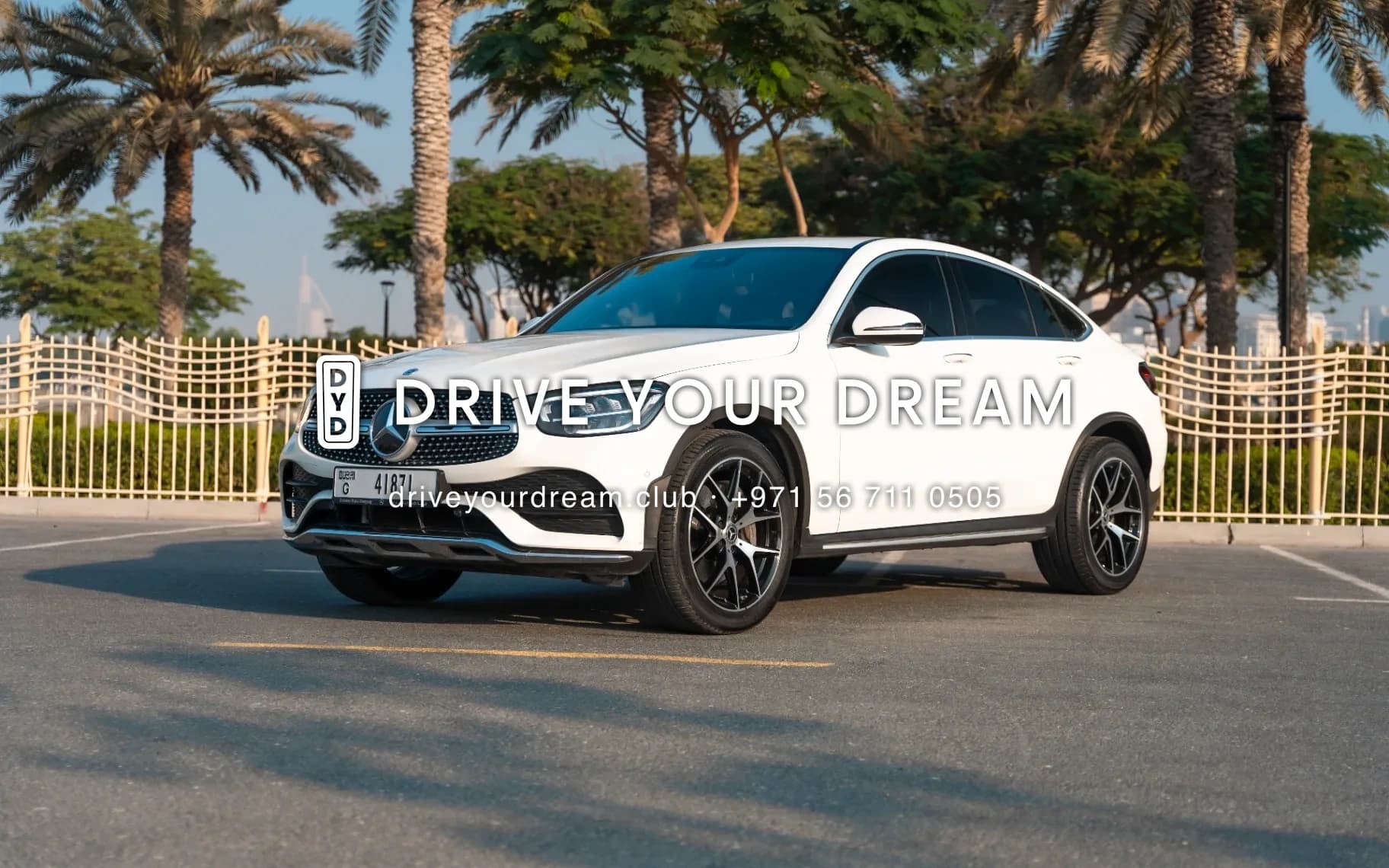
Mercedes-Benz GLC 2023
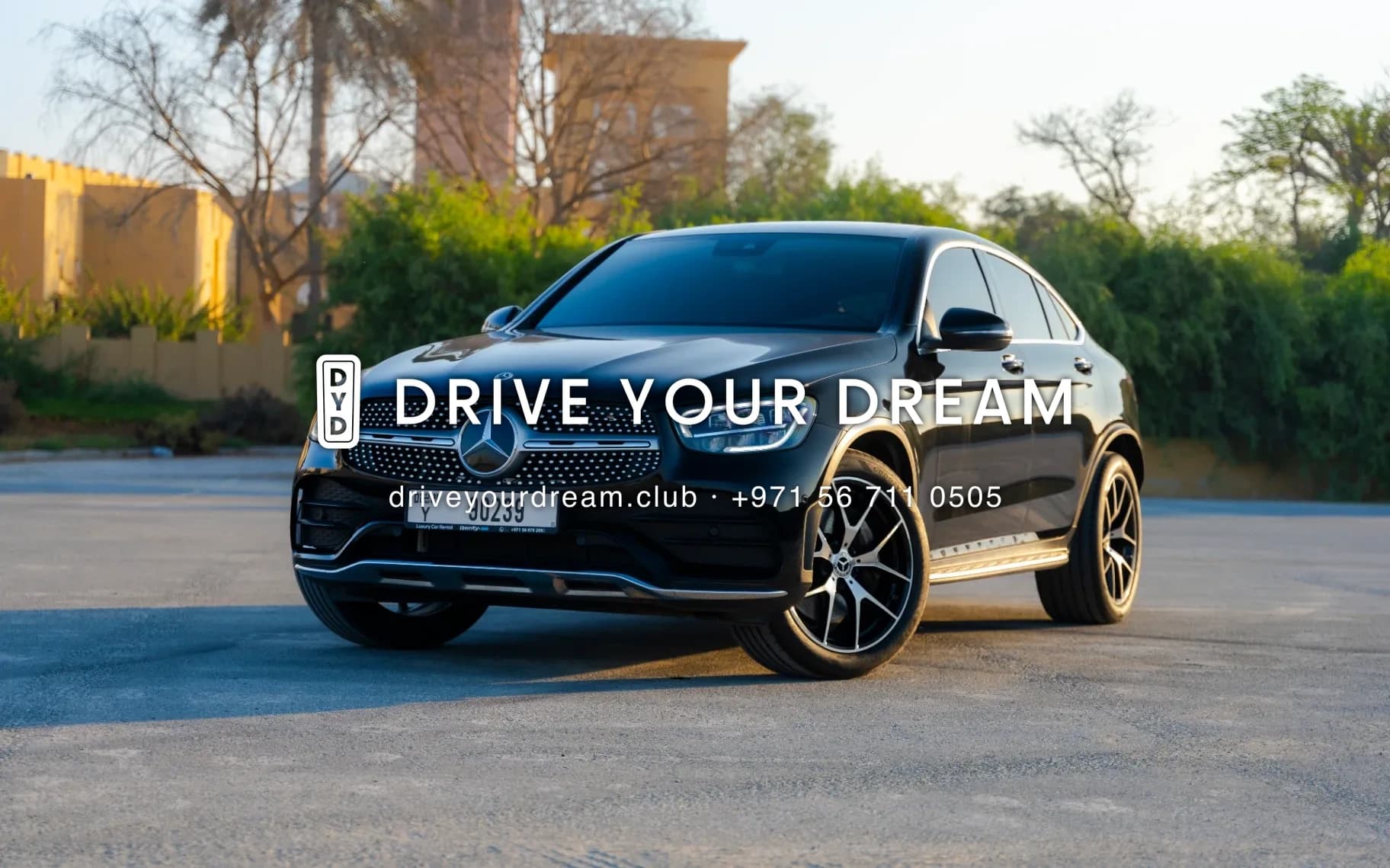
Mercedes-Benz GLC 2023
Mercedes-Benz GLC 2024
If you are buying privately anyway
Most people reading this are not going to lease. That is fine — the checks matter more than where you buy.
So the offer stands regardless: send us the listing and the VIN and we will run the same checks we run on our own purchases, and tell you what we find. Including when the answer is that the car is clean, which it usually is.
It costs us twenty minutes. It costs you nothing. And a car that turns out to be fine is a better outcome for everybody than one that turns out not to be, three years and one police stop later.
Frequently Asked Questions
How do I check if a used car in the UAE is stolen?
Get the VIN in writing and ask the police to run it against the INTERPOL Stolen Motor Vehicle database. Consumer VIN-check websites query commercial databases and do not reach INTERPOL, which is a law-enforcement system. The police check is routine and takes minutes.
Are Canadian-import cars in the UAE actually a problem?
The flow is documented rather than anecdotal. Since the RCMP connected Canadian records to INTERPOL in February 2024, more than 200 stolen Canadian vehicles have been flagged worldwide every week, with the Middle East a main destination. A CBC investigation found that of fifteen VINs checked on one Dubai forecourt sourced entirely from Canada, fourteen were listed as stolen.
What happens if I unknowingly buy a stolen car in the UAE?
The vehicle is recovered on behalf of its lawful owner or their insurer and you are not compensated. The insurance falls away with the title, since you were never the lawful owner, and the seller is usually unreachable. Discovery typically happens at registration, at resale, or during a police stop — often years after purchase.
Is European-import risk the same as Canadian?
No, and treating them the same makes the warning useless. The counted, published flow of stolen vehicles runs out of Canada. European imports carry a different profile: mileage history that needs verifying, and a manufacturer warranty registered to a distributor in another country that does not follow the car.
What is an ESMA conformity letter and do I need one?
It is the Emirates Authority for Standardisation and Metrology confirmation that an imported used vehicle meets UAE requirements. Without it the car cannot be registered here. Along with the factory build sheet pulled from the VIN, it is one of the few things about an import that is a document rather than a claim.
Run your own number
The calculator shows both lines — the monthly payment for the vehicle and the annual renewal fee covering insurance, registration and admin.
Send us a listing — we check it free