Four Roads Worth the Drive, and the One Thing That Ruins Them
You do not need a 4×4 or a permit. You need an early start, a full tank and the discipline to stay off the brake pedal going down.
The country has proper driving roads, and most people never use them
The UAE has a reputation for straight lines. Twelve lanes, cruise control, four hours of Sheikh Zayed Road and a headache.
That is half the country. The other half is the Hajar Mountains, and there are roads in there that people in Europe would drive across a border to reach — hairpins, elevation, engineered surfaces, and views that do not photograph properly.
All of them are sealed tarmac. No 4×4 required, no permit, no deflating tyres, no group. A Mini will do every road on this list, and will enjoy some of them more than an Escalade will.
The barrier is not capability. It is that nobody tells you they exist, and that the two things which spoil the day — heat and brakes — are both entirely preventable.
Jebel Jais, Ras Al Khaimah
The showpiece, and the one to do first.
Jebel Jais is the highest mountain in the UAE at roughly 1,934 metres, and the road that climbs it runs about 36 kilometres through the Hajar range. What makes it unusual is the layout: two lanes going up and a single lane coming down, on asphalt that is genuinely excellent. The effect is closer to a purpose-built circuit than to a public road, because in a sense that is what it was designed to feel like.
The climb is long enough that the temperature drops noticeably as you go — often several degrees between the bottom and the viewing deck, which in summer is the entire point of going.
Go early. The road is at its best empty, the light is better, and you avoid both the heat and the coaches. From Dubai it is roughly two hours to the base.
And it is worth saying plainly: this is a road for driving briskly, not for heroics. It is patrolled, the drops are real, and the single-lane descent gives you nowhere to go.
Source: Ras Al Khaimah tourism information; Jebel Jais road specifications
Jebel Hafeet, Al Ain
The classic, and the one that features on every list of great driving roads in the world — deservedly.
About eleven kilometres of road with more than sixty turns, climbing Jebel Hafeet, the second-highest mountain in the country at around 1,220 metres. It was built in 1980 by the German contractor Strabag International, and the engineering has aged extremely well: consistent radii, good camber, and a surface that has been maintained.
The drive itself takes about twenty minutes if you are not stopping, which is the trap — most people do it once, quickly, and leave. It rewards a second run at a slower pace, and it rewards being there at sunrise more than almost anywhere else in the country.
Al Ain is about ninety minutes from Dubai, which makes this a genuine half-day rather than an expedition.
Source: Jebel Hafeet mountain road; built 1980 by Strabag International
Hatta, and the east coast
Two more that are less dramatic and better suited to an unhurried day.
Hatta is about ninety minutes from Dubai and the road out there runs through proper mountain terrain without the vertical drama of Jais. The dam and the reservoir at the end give the day a destination, and the route back is genuinely pleasant driving rather than a motorway slog.
The east coast — Fujairah, Khor Fakkan, Dibba — is the one people forget entirely. You cross the Hajar range and arrive at the Gulf of Oman, which looks nothing like the Arabian Gulf side and is roughly two hours away. The coastal road between the towns is the good part. Khor Fakkan's newer road infrastructure is genuinely well made.
Neither is a driving road in the Jebel Jais sense. Both are excellent Saturdays.
The thing that ruins the day: brakes on the way down
This is the part nobody mentions, and it is the one that matters most.
A long, steep descent asks the brakes to convert a great deal of potential energy into heat — continuously, for several kilometres, in ambient air that is already 40 °C. If you do that by resting your foot on the pedal all the way down, the discs and fluid get very hot, and hot brakes stop working properly. The pedal goes long, the bite fades, and it happens gradually enough that you do not notice until you need them.
The fix costs nothing: use the gearbox instead. Shift down and let engine braking hold the car, so the brakes are used in firm, short applications rather than continuously. Every automatic in the fleet will hold a lower gear if you ask it to, either with the paddles or by moving the lever out of D.
If the pedal ever starts feeling soft on a descent, stop in a safe place and let everything cool rather than pressing harder. That is the whole technique, and it is the difference between a memorable drive and a genuinely frightening one.
This applies far more to Jebel Hafeet than to Jebel Jais, because Hafeet is steeper and more continuous. It applies to a Range Rover exactly as much as to a Mini.
The other four things worth doing before you leave
Fill up before you start climbing. Stations are at the bottom, not the top, and a mountain road at speed uses considerably more fuel than the same distance flat.
Check tyre pressures cold, against the door placard. Nothing exotic — but of everything on the car, tyres are what these roads actually ask questions of.
Leave early. Six or seven in the morning in summer is a different country from eleven. Cooler air, empty road, better light, and the brakes have an easier time.
Know the speed rules. UAE roads carry a 20 km/h buffer above the posted limit before the radar triggers, which people treat as permission rather than tolerance. On a mountain road with blind hairpins that is a bad trade — and reckless driving under Federal Decree-Law No. 14 of 2024 carries AED 2,000, 23 black points and a 60-day impound. The road is enjoyable well below anything that attracts attention.
Source: Federal Decree-Law No. 14 of 2024 on Traffic Regulation
Cars in the fleet that make these roads better
Every road on this list is sealed tarmac, so this is about how a car rides and steers rather than what it can climb. Live prices — the monthly covers the vehicle, with comprehensive insurance, RTA registration and admin in one annual renewal fee.
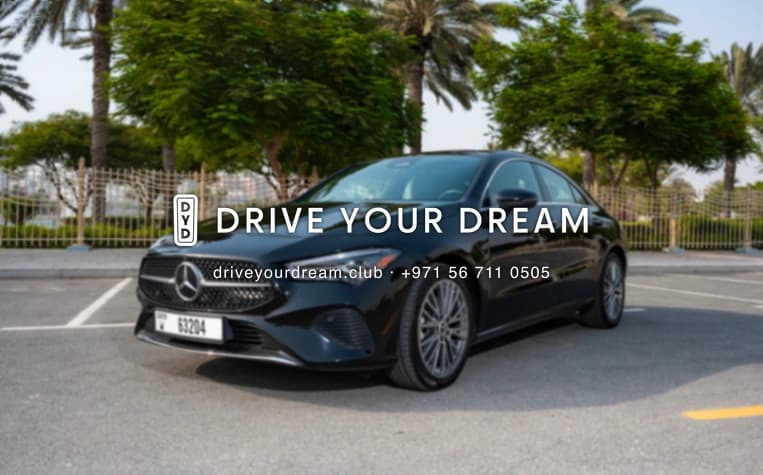
Mercedes-Benz CLA 2025

Mercedes-Benz V-Class 2023
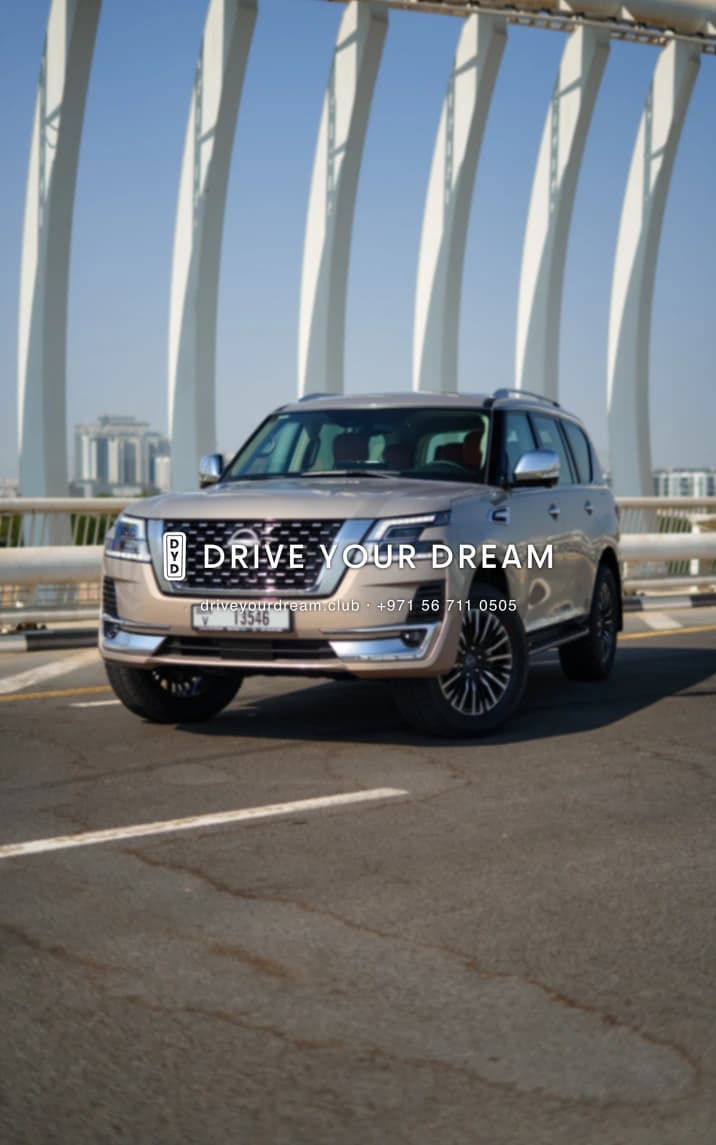
Nissan Patrol 2023
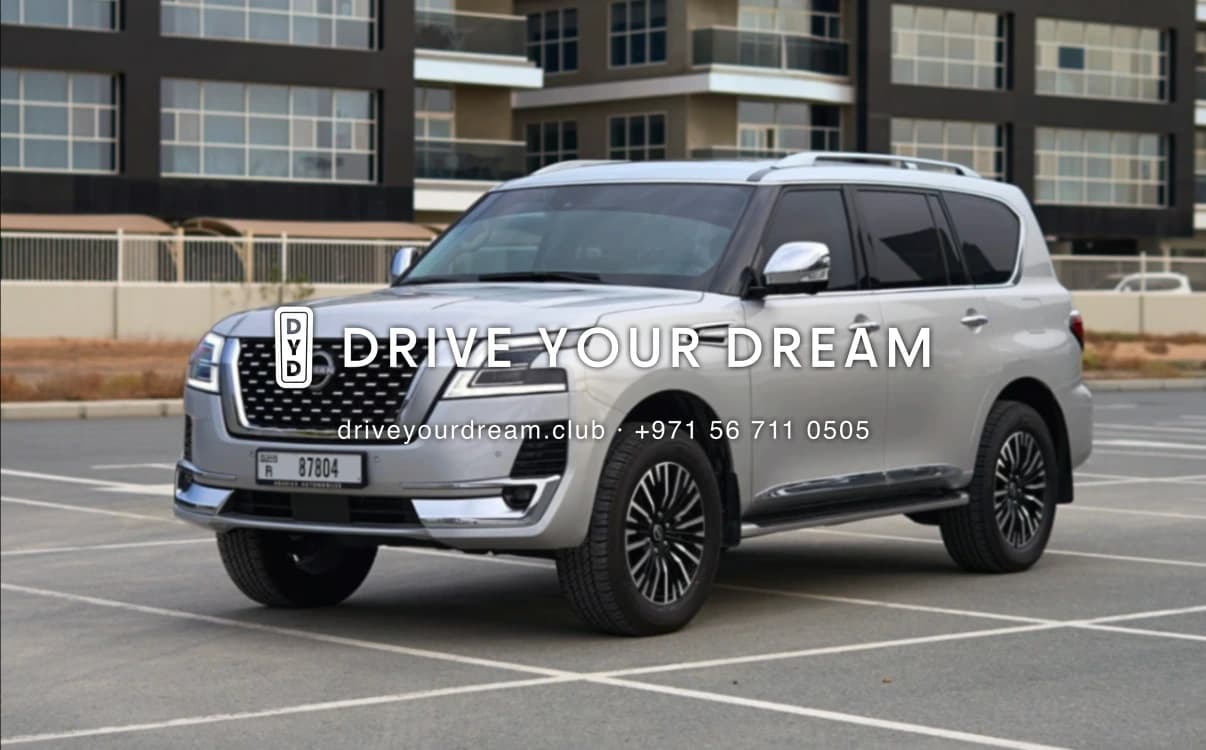
Nissan Patrol 2023
What actually makes a car good here
Not power. On roads like these you are rarely using more than half of what a modern car has, and the sections where power helps are short.
What you feel all day is the steering, the brakes and the seat.
Steering that tells you what the front tyres are doing, so you can place the car accurately on a blind hairpin instead of guessing.
Brakes with a firm, consistent pedal — which matters for confidence long before it matters for physics.
A seat that holds you. Sixty turns in eleven kilometres is a genuine workout if you are bracing with your arms because the seat is a sofa.
By that measure a Porsche Macan or a Range Rover Sport is better here than something considerably faster and softer, and a Mini Cooper is better than either at a third of the price. Which is a good argument for going in whatever you already have rather than waiting for the right car.
Go this month, early
August is not the ideal month for anything outdoors here, but these are the exception: you are in an air-conditioned car, gaining altitude, and it gets cooler as you climb rather than hotter.
Leave at six. Do Jebel Hafeet, have breakfast in Al Ain, and be home before the worst of the afternoon. Or make Jebel Jais a full day and stop at the viewing deck.
Fuel, tyre pressures, and the discipline to come down in a low gear. That is the entire preparation, and it is a better Saturday than most things that cost money.
Frequently Asked Questions
Do I need a 4x4 to drive Jebel Jais or Jebel Hafeet?
No. Both are fully sealed, well-maintained tarmac roads with no off-road section, no permit and no group requirement. Any road car will do them comfortably — a small hatchback will enjoy the turns more than a large SUV will.
How long is the Jebel Hafeet mountain road?
About eleven kilometres with more than sixty turns, climbing Jebel Hafeet — the UAE's second-highest mountain at roughly 1,220 metres. It was built in 1980 by Strabag International and takes about twenty minutes to drive without stopping. Al Ain is roughly ninety minutes from Dubai.
How high is Jebel Jais and how long is the road?
Jebel Jais is the highest mountain in the UAE at around 1,934 metres, in Ras Al Khaimah. The road runs about 36 kilometres, with two lanes climbing and a single lane descending on excellent asphalt. It is roughly two hours from Dubai to the base, and noticeably cooler at the top.
How do I avoid brake fade on a UAE mountain descent?
Use engine braking instead of resting your foot on the pedal. Shift into a lower gear — every automatic will hold one via the paddles or by moving the lever out of D — so the brakes are applied firmly and briefly rather than continuously. A long descent in 40 °C air heats discs and fluid enough that braking performance degrades gradually, and you notice only when you need them. If the pedal feels soft, stop somewhere safe and let it cool rather than pressing harder.
What is the speed limit buffer in the UAE?
Roads generally carry a 20 km/h buffer above the posted limit before radar triggers, which drivers often treat as permission rather than tolerance. On mountain roads with blind hairpins that is a poor trade — and reckless driving under Federal Decree-Law No. 14 of 2024 carries AED 2,000, 23 black points and a 60-day vehicle impound.
What is the best time of year to drive UAE mountain roads?
October to April is ideal, but these roads work in summer too because you are in an air-conditioned car gaining altitude — it gets cooler as you climb. The real variable is time of day: leaving at six or seven in the morning gives you cooler air, an empty road, better light and an easier time for the brakes.
Run your own number
The calculator shows both lines — the monthly payment for the vehicle and the annual renewal fee covering insurance, registration and admin.
More on running a car in this climate