Zero Down Payment Car Lease in Dubai: How It Works and What It Really Costs
No deposit against the value of the car — but never nothing on day one. Here is the full arithmetic.
What "zero down payment" actually means — and what it does not
Zero down payment means you do not hand over a lump sum against the value of the car before you drive it. It does not mean you pay nothing on day one, and any company that lets you believe otherwise is setting you up for an unpleasant conversation at signing.
On a lease-to-own contract with no down payment, the amount due before delivery is typically three things: your first monthly payment, the Year 1 insurance premium, and registration plus admin fees. On a mid-range SUV at around AED 7,000 per month, that is roughly AED 19,000–20,000 to drive away — not zero, but not the AED 50,000 a bank would want either.
The distinction matters because "zero down" is a cash-flow product, not a discount. The value of the car has not changed. You are choosing not to pay a slice of it up front, and that slice gets redistributed across your monthly payments and, on balloon structures, into a final payment at the end.
Why a UAE bank cannot give you zero down — the 20% rule
If you have been rejected for a "no deposit" car loan by a bank, the bank was not being difficult. The UAE Central Bank sets a minimum 20% down payment on auto finance, and no bank in the country can write around it. Two more rules shape what a bank can offer you:
• Maximum tenure of 60 months. Five years is the ceiling on an auto loan, which puts a floor under how low the monthly payment can go. • Debt Burden Ratio capped at 50%. Your total monthly debt obligations — this loan, your credit cards, any personal loan — cannot exceed half your income.
So on a AED 250,000 vehicle, a bank needs AED 50,000 from you in cash before anything else happens, plus a salary certificate less than 30 days old, and an AECB credit report that supports the application.
Lease-to-own sits outside that framework because it is not a loan. The leasing company buys the vehicle and retains ownership; you pay for the use of an asset you do not yet own, with an option to buy it at the end. There is no principal being lent to you, so the 20% floor does not apply.
Who legally owns the car — the part most people skip
On a lease-to-own contract the vehicle is registered to the leasing company for the duration of the term. This is the single biggest structural difference from a bank loan, and it cuts both ways.
What it means in your favour: no AECB file is required, approval can happen in 24 hours instead of days, and the obligation does not appear on your credit report as a loan. If you plan to apply for a mortgage inside the next two years, this matters — an auto loan on your AECB report consumes part of the 50% DBR that the mortgage lender will assess.
What it means against you: you cannot sell the car, you cannot modify it beyond what the contract permits, and you cannot take it out of the country without written permission (Oman and Saudi trips need an NOC from the registered owner). If you stop paying, the company recovers its own asset — there is no repossession process to negotiate, because it was never your car.
Ownership transfers when you exercise the purchase option at the end of the term and settle the final amount. Get the transfer mechanics in writing before you sign: who pays the transfer fee, how long it takes, and what happens if you want to buy out early.
What you actually pay before delivery
Ask for this as a written breakdown, not a verbal number. A legitimate zero-down quote separates:
1. First monthly payment — always due before delivery. 2. Comprehensive insurance, Year 1 — on a premium vehicle this typically runs 2–4% of the car's value, and agency repair cover costs more than garage cover. 3. Registration and admin — RTA registration, plates, inspection, and the leasing company's documentation fee. 4. Security deposit, if any — refundable, and it should be stated as refundable in the contract with the conditions for its return.
What should *not* be on that list: a "processing fee" that is really a disguised down payment, or an insurance premium you are charged for but which the leasing company holds rather than pays to an insurer. Ask for the insurance policy document in your name (or with you as named driver) before you take delivery.
Every year after the first, the insurance and registration renew. On most contracts that is your cost, billed annually rather than folded into the monthly figure — which is why your Year 2 cash outflow jumps if you budgeted only for the monthly payment.
The balloon payment: how the monthly gets lower, and what it costs
A balloon (or residual) structure defers a fixed percentage of the vehicle's value to the end of the contract. Instead of amortising the whole car across 36 months, you amortise, say, 70% of it and leave 30% as a lump sum due at the end.
The effect on the monthly payment is significant — typically 20–30% lower. The effect on the total is that you now have a five-figure decision waiting for you at month 36.
At the end of a balloon contract you have three options, and you should know which one you are aiming for before you sign:
• Pay the balloon and own the car. Requires cash you must plan for. • Refinance the balloon into a new term. Possible, but you pay financing costs on the same car twice. • Hand the car back. Check the contract: is return an actual right, or does the company merely have discretion to accept it? What condition standard applies, and who assesses it?
A balloon is a good tool if your income is rising or you genuinely intend to change cars every three years. It is a poor tool if you are choosing it purely because the monthly number looks affordable — that is how people end up refinancing a depreciating asset at month 36.
Zero down vs 20% down: the honest arithmetic
Take a AED 250,000 vehicle on a 36-month term. The exact figures depend on the provider, but the shape of the comparison is consistent:
With 20% down (AED 50,000): the amount being financed drops by a fifth, so the monthly payment falls correspondingly. You have committed AED 50,000 of capital that is now sitting in a depreciating asset.
With zero down: you keep the AED 50,000. Your monthly payment is higher, and across 36 months you will pay more in total than the down-payment route.
The question is not which is cheaper on paper — the zero-down option costs more overall, and anyone who tells you otherwise is selling. The question is what the AED 50,000 is worth to you in hand. For a new arrival still paying an agent's commission and a year of rent up front, liquidity in month one is worth real money. For someone with settled finances and no competing use for the cash, putting money down and lowering the monthly is the cheaper path.
Run both scenarios through a payment calculator before you decide, and compare total cost of ownership across the full term — not the monthly figure in isolation.
When zero down is the wrong choice
Be honest with yourself about these situations:
You are on probation. UAE probation periods run up to six months, and employment can end with short notice. A 36-month commitment signed in month two of a new job is a risk you are taking with the leasing company's asset and your own record.
Your visa status is uncertain. If your residence visa is tied to an employer you are unsure about, understand what the contract says about cancellation before you sign, not after.
You are stretching to afford the monthly. Zero down raises the monthly payment. If the higher figure only works in a month with no surprises, the structure is working against you. Choose a cheaper car rather than a thinner margin.
You want the car as an asset. If your goal is to own outright and keep the vehicle for eight years, the mathematics favour paying down as much as you can as early as you can.
Zero down is a liquidity tool. Use it when liquidity is what you need, not as a way to reach a car that is out of budget.
What to check in the contract before you sign
Read for these specifically. Any provider unwilling to answer in writing is telling you something:
• Mileage cap and the per-kilometre charge for exceeding it. Dubai–Abu Dhabi twice a week is 30,000 km a year; a 20,000 km cap will cost you. • Early settlement. Can you buy out at month 18, and what is the formula? A fixed percentage penalty and a rebate-of-unearned-charges formula produce very different numbers. • Insurance scope. Agency repair or approved garage? Who is the named driver? What is the excess? • Maintenance. What is covered, at which workshop, and what happens if you use another one? • Total loss and theft. If the car is written off, does insurance settle to the leasing company, and are you liable for any gap between the settlement and the outstanding contract value? Ask for the gap position in writing. • Late payment. The charge, the grace period, and at what point the company can recover the vehicle. • End of term. Purchase price or formula, return condition standard, and who pays the transfer fee.
Take a photo of every page you sign, including the schedules. Contracts get amended verbally and remembered differently.
Documents and how long approval takes
For a lease-to-own application with no down payment, the set is two documents:
• Emirates ID (front and back). A residence visa is not asked for separately — the Emirates ID is only issued to residents who already hold one • UAE driving licence — a valid licence, not an international permit, if you are a resident
There is no third item. We do not ask for a salary certificate, payslips, bank statements, a trade licence or a proof of address, and there is no minimum salary to clear. What secures the contract is the vehicle itself, registered to the leasing company for the whole term, rather than a file of paperwork establishing your earnings — which is the thing a bank's underwriting is built around. Self-employed applicants and freelancers submit the same two documents as salaried applicants.
That is not the same as an automatic yes. Every application is read and decided individually, and the decision is ours to make.
Approval on a complete file is usually same-day to 24 hours. The delays that do occur are almost always an unreadable scan, an Emirates ID within weeks of expiry, or a mismatch between the name on the licence and the name on the Emirates ID.
Questions worth asking before you commit
Ask these out loud and listen to how they are answered:
"What is my total cash outlay before I drive away, itemised?"
"What is the total of all payments across the term, including the balloon if there is one?"
"If I want out at month 18, what do I pay?"
"If the car is stolen or written off, what am I liable for?"
"Is the return option at the end my right or your discretion?"
A provider who answers these plainly and in writing is one you can work with. A provider who redirects to the monthly payment every time is answering a different question than the one you asked.
Что можно взять прямо сейчас
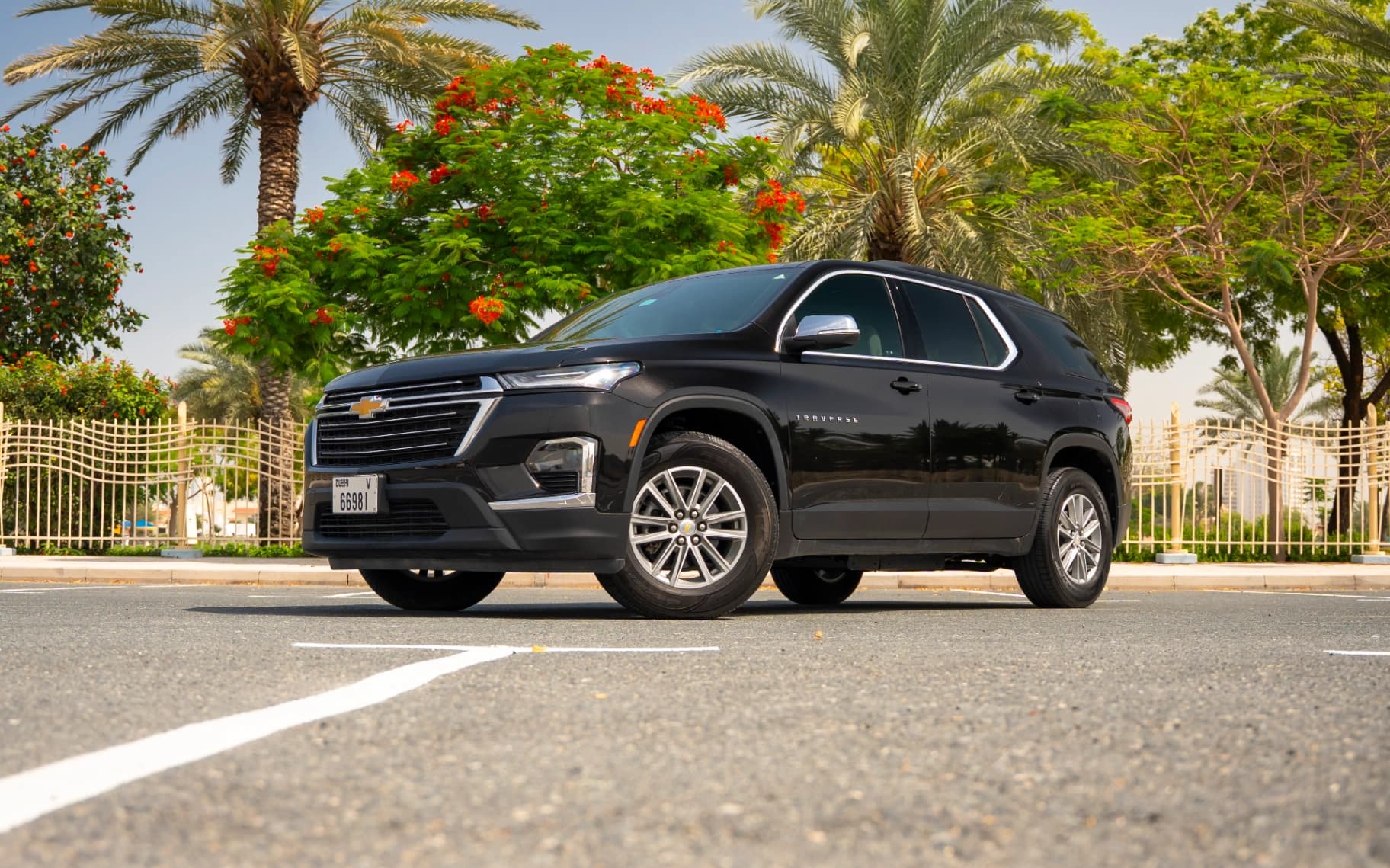
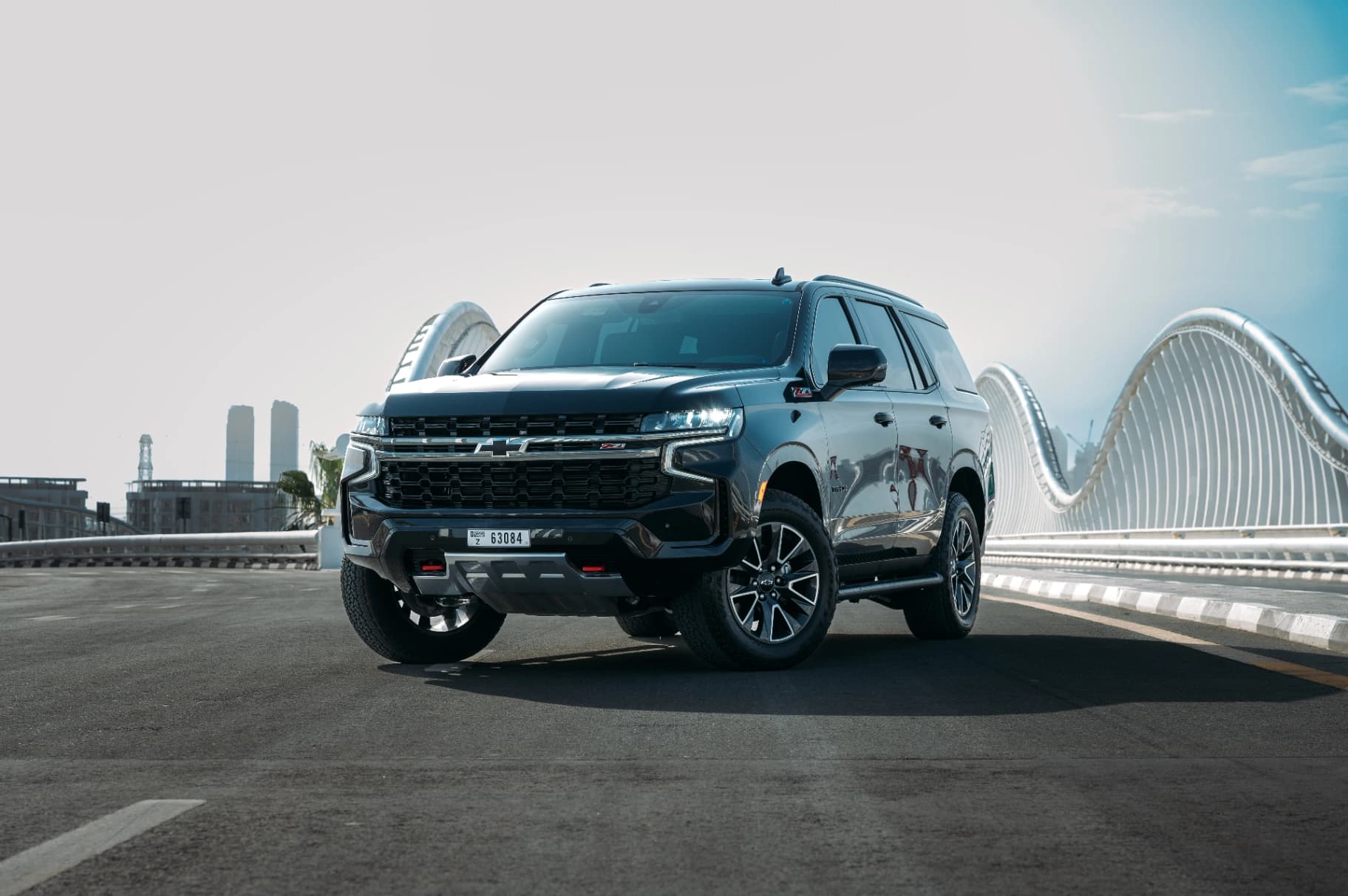
Live prices from our fleet. The monthly figure covers the vehicle; insurance, RTA registration and admin come as one annual renewal fee.

Frequently Asked Questions
Is zero down payment actually possible in the UAE?
Yes, but not through a bank auto loan — the UAE Central Bank mandates a minimum 20% down payment on those. Zero down is available on lease-to-own contracts, where the leasing company owns the vehicle and you pay for its use rather than borrowing money to buy it.
So what do I pay before I get the car?
Typically your first monthly payment, Year 1 comprehensive insurance, and registration plus admin fees. On a mid-range SUV around AED 7,000 per month, expect roughly AED 19,000–20,000. Ask for this itemised in writing before you sign.
Does zero down cost more in total?
Yes. You are financing a larger portion of the vehicle, so the sum of all payments is higher than an equivalent contract with 20% down. What you gain is liquidity — the cash stays with you rather than sitting in a depreciating asset.
Will this appear on my AECB credit report?
A lease-to-own contract is not a loan, so it does not register as one. This is why applicants with an empty or thin AECB file can be approved, and why the obligation does not consume part of your Debt Burden Ratio when you later apply for a mortgage.
What is a balloon payment and should I take one?
A balloon defers a percentage of the vehicle value — commonly 30% — to a lump sum due at the end of the term, lowering your monthly payment by roughly 20–30%. Take it if you intend to change cars at the end of the term or expect your income to rise. Avoid it if you are choosing it only because the monthly figure looks affordable.
Can I buy the car out early?
Usually yes, but the formula varies and is where contracts differ most. Ask specifically what you would pay to settle at month 18 of a 36-month term, and get the answer in writing before you sign.
Who insures and registers the car?
The leasing company registers the vehicle in its own name and arranges comprehensive insurance, with you as the named driver. Year 1 is normally paid up front; subsequent years renew annually at your cost.
What happens if I lose my job?
The contract continues — it is not suspended by a change in employment. Talk to the provider immediately rather than missing a payment; some will restructure, and early contact gives you options that a default does not. Understand the cancellation terms before you sign, not after.
Can I drive the car to Oman or Saudi Arabia?
Only with a written NOC from the registered owner, which is the leasing company, plus the correct insurance extension for the destination country. Request it well ahead of travel — it is not issued at the border.
Do I need a UAE driving licence, or is an international one enough?
As a UAE resident you need a valid UAE driving licence. An international permit covers visitors, not residents, and the name on the licence must match your Emirates ID.
What credit score do I need?
For lease-to-own, none in the conventional sense. There is no AECB score to clear and no income documents to submit: you apply with an Emirates ID and a UAE driving licence, and each application is reviewed and decided on its own merits. For comparison, a bank auto loan generally wants an AECB score above 600 on the 300–900 scale, and a new arrival with an empty file will often be declined regardless of their credit standing abroad.
Is the car mine at the end of the contract?
Only when you exercise the purchase option and settle the final amount, including the balloon if your contract has one. Until that transfer completes, the vehicle belongs to the leasing company.
Ready to Get Started?
Apply today — 24-hour approval, no credit check, transparent pricing.
Apply With Zero Down